How project screenshots improve a web developer portfolio
Screenshots make project work easier to trust when they are clear, relevant, optimized, and explained with context.
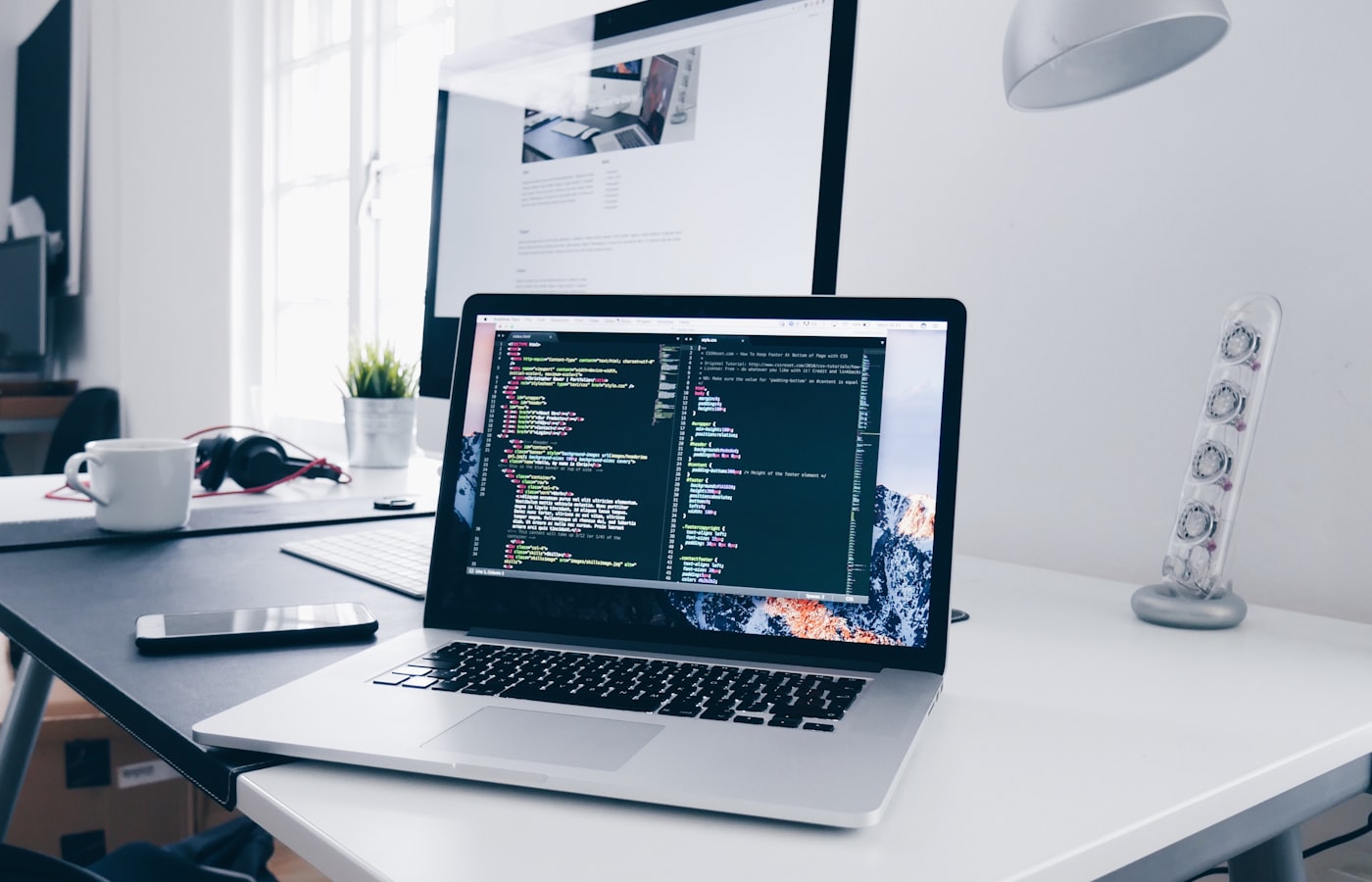
A portfolio website should do more than show a name, a few screenshots, and a contact button. It should explain how a developer thinks through real business problems. In this article, How project screenshots improve a web developer portfolio is treated as a practical part of the monir.tech portfolio because it connects technical skill with a client result. The main keyword is web developer portfolio screenshots, but the real goal is clarity for visitors reviewing previous web development work.
When visitors reviewing previous web development work visit a portfolio, they are usually trying to reduce risk. They want to know whether the developer understands their situation, whether the work will stay maintainable, and whether communication will be clear after the project starts. For a visual portfolio section, the client goal is to understand the quality of previous work without reading a long explanation first. That goal shapes the design, the content, and the development plan.
The planning stage is where many websites become either useful or confusing. I start by mapping which screens matter, what problem each screenshot proves, how images crop on mobile, and where project links belong. This keeps the project grounded in user behavior instead of decoration. It also helps the client see what will be built, why each section exists, and how the final website or application will support day-to-day decisions after launch.
Implementation should be clean enough for future changes. For this type of work, I focus on responsive image cards, optimized thumbnails, alt text, lazy loading, and a consistent project detail layout. The technology matters, but the structure matters just as much. Laravel, Next.js, API integrations, responsive CSS, and admin workflows all become stronger when the code is organized around real features instead of quick patches.
SEO is also part of the build, not something to add only at the end. The search plan includes image filenames, project title headings, alt text with service context, and internal links from screenshots to case studies. This gives Google clearer signals and gives visitors a better path through the site. A good portfolio page should connect services, blog posts, case studies, and contact actions so the visitor can move from interest to trust without getting lost.
Proof is what turns a claim into something believable. For this article, the proof layer should include desktop and mobile views, admin screens, user flows, before-and-after states, and notes about the developer role. Screenshots, process notes, technical details, and client-facing outcomes make the work easier to evaluate. This is especially important for a developer portfolio because many visitors are not judging only visuals; they are judging reliability.
A strong delivery process is part of the service. I include an image update workflow and guidelines for adding future projects without slowing the site so the client knows what happens after the first version goes live. This makes the project feel less risky and gives both sides a shared expectation for maintenance, improvements, analytics, and future content. Good websites are not frozen after launch; they keep improving with real feedback.
For Monirujjman's portfolio, this topic also supports a broader content strategy. Articles like this help explain web development services in plain language while still showing technical depth. They support related keywords such as project showcase design and create internal links to services, project examples, and contact sections. That combination is useful for SEO and for real human visitors.
The best next step is to review the current website or project idea against this topic and decide what is missing. If the goal is ask for a visual portfolio refresh, the page should make that action obvious, trustworthy, and easy on mobile. A portfolio works best when every article, service section, screenshot, and form helps the visitor understand the value of working together.